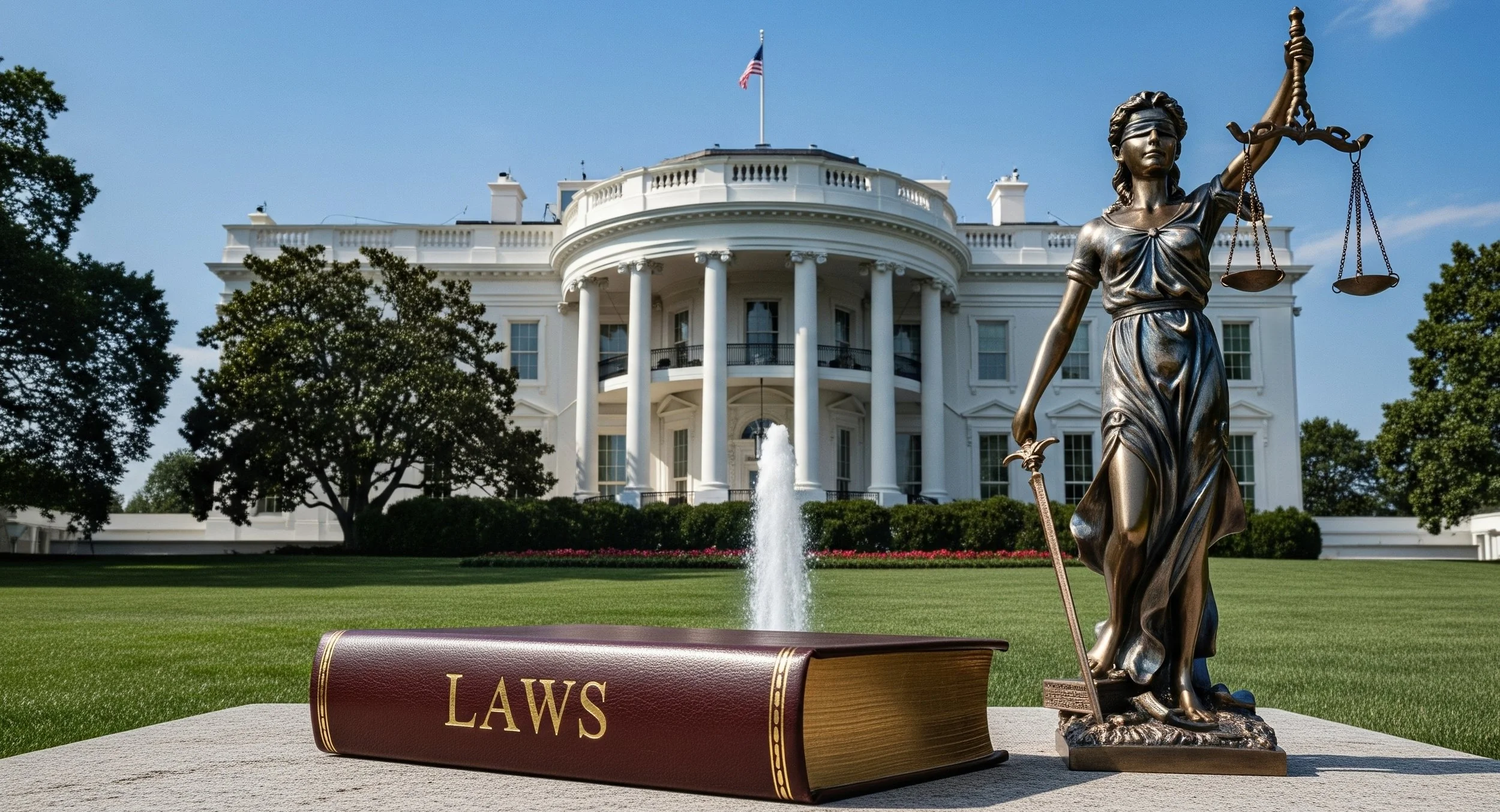
The Three Branches of Government
“In politics, we presume that everyone who knows how to get votes knows how to administer a city or a state. When we are ill…we do not ask for the handsomest physician, or the most eloquent one.”
— Plato
What Are the Branches? And Why Are There Three?
As laid out in the Constitution, the fundamental legal document of the nation, the Federal government comprises three branches: the Legislative, the Executive, and the Judicial. The three are supposed to be equal, with each providing checks and balances on the other two in order to prevent any one branch from becoming too powerful. The Framers of the Constitution wanted to prevent the abuse of power, which could eventually lead to tyranny.
In reality, the degree of equality depends on how much the incumbents of each choose either to assert themselves or to effectively cede some of their capabilities and responsibilities to the other branches. This can largely be a function of partisanship. When one party controls all of the branches of government, they can sometimes be inclined to essentially waive their oversight duties.
What Do the Branches Do?
The duty of the Legislative Branch is to make Federal laws. Additional duties include declaring war, regulating commerce, controlling taxation and government spending, and confirming Presidential appointments. The two chambers of Congress are the Senate and the House of Representatives, which together form the Legislative Branch.
The responsibility of the Executive Branch is to enforce Federal laws. Other obligations include conducting diplomacy and leading the military. The President serves as the leader of the Executive Branch, and functions as both the Head of State and the Commander in Chief of the Armed Forces. Other prominent members include the Vice President; the heads of the Executive Departments (such as the Departments of State, Justice, and Defense), who are collectively known as the Cabinet; and the staffs of these departments and various other agencies.
The responsibility of the Judicial Branch is to interpret Federal laws. Its duties include applying Federal law to real-world situations, as well as determining whether a particular law violates the Constitution. The Federal Courts make up the Judicial Branch.
Want to Know More?
On GeorgeWasRight, you can find out more information about the three branches of government at the following links.