
Soft Corruption
“When they call the roll in the Senate, the Senators do not know
whether to answer 'Present' or 'Not guilty.'“
— Theodore Roosevelt
The Good, The Bad, and The Ugly (Hint: Mostly Bad)
Though hardly breaking news for most people, our political system is corrupt. Very corrupt.
I’ll tone it down a bit to say that our political system has been badly corrupted, a distinction I didn’t pick up at a hairsplitters convention. I’m talking about practices that, from an ethical standpoint, should be illegal, but aren’t. For all practical purposes, we’ve legalized political bribery. The Supreme Court explicitly did so in a 2024 ruling, which holds that items of value gifted to State lawmakers after a law has been passed would be considered gratuities.
Politicians righteously proclaim that campaign contributions don’t impact their votes in the slightest—a claim whose credibility I view in the same way I do robocalls offering to extend my car warranty. Though lawmakers and their handlers may think that Americans actually believe such hooey, polls say otherwise. A Newsweek survey indicates that a majority of citizens feels our government is corrupt and rigged against them.
Unethical actions, while legal, still fail the smell test, a reality for which a former New Jersey legislator coined the term soft corruption. Let's look at some of these less-than-savory practices.
The Shakedown
A great example of soft corruption is the endless solicitation for campaign contributions that lawmakers make to special interests. Many go something like this:
“Come join Congressman Blop for a celebration of their birthday at their favorite restaurant. A donation of only $#,### will secure you an individual seat, or you can purchase an entire table for just $##,###.
“For an even more intimate experience, you can also stick around for an exclusive scotch and cigar tasting, for only an additional $##,###. This a great opportunity to spend quality time with a Member of Congress and discuss issues vital to your industry.”
Invitation or shakedown? You decide. But rather than being an outlier, such solicitations are standard operating procedure in our pay-to-play political culture.
Such practices are legal as long as there's no quid pro quo—that is, an explicit promise of a specific action in return for a campaign contribution or something else of value.
Most politicians and lobbyists are savvy enough not to cross that line, at least not overtly. In practice, there’s actually no reason to do so, since both sides know what the other wants.
Did You Know…?
Will a Federal lawmaker be expelled from office if they are caught committing an act of soft corruption?
A) Yes
B) No
C) Undetermined, as the U.S. Supreme Court has never ruled on this
You can find the correct answer at the bottom of this page.
Summing It Up
These practices and examples are just part of the outsized role that money and other forms of influence play in American politics and government. They mock the principles upon which the nation was founded. But that doesn’t mean we have to live with them forever.
The current generation of lawmakers who have grown up in this ethically compromised system are unlikely to reform themselves, absent significant public pressure or political consequences for failing to do so. Voters can accelerate much-needed political reform by rewarding candidates who refuse to accept campaign contributions from corporations and wealthy donors, and instead utilize the new small-contribution model.
For more information, check out A Primer on Money in Politics, which discusses other important terms and practices about the various forms of political influence that everybody should know.
And also take a look at Revealing Open Secrets, where I'll show you around a website that has all the data about who’s financing the candidates and the measures on which you'll be voting.
If we want a government that is not of, by, and for special interests, more of us need to know how to follow the political money trail. GeorgeWasRight will show you how.






Other Types of Soft Corruption
To be clear, I'm not saying that every elected official has their hands out. But many have a sense of entitlement they believe comes with election to public office. Let’s examine a few of these benefits they bestow upon themselves.
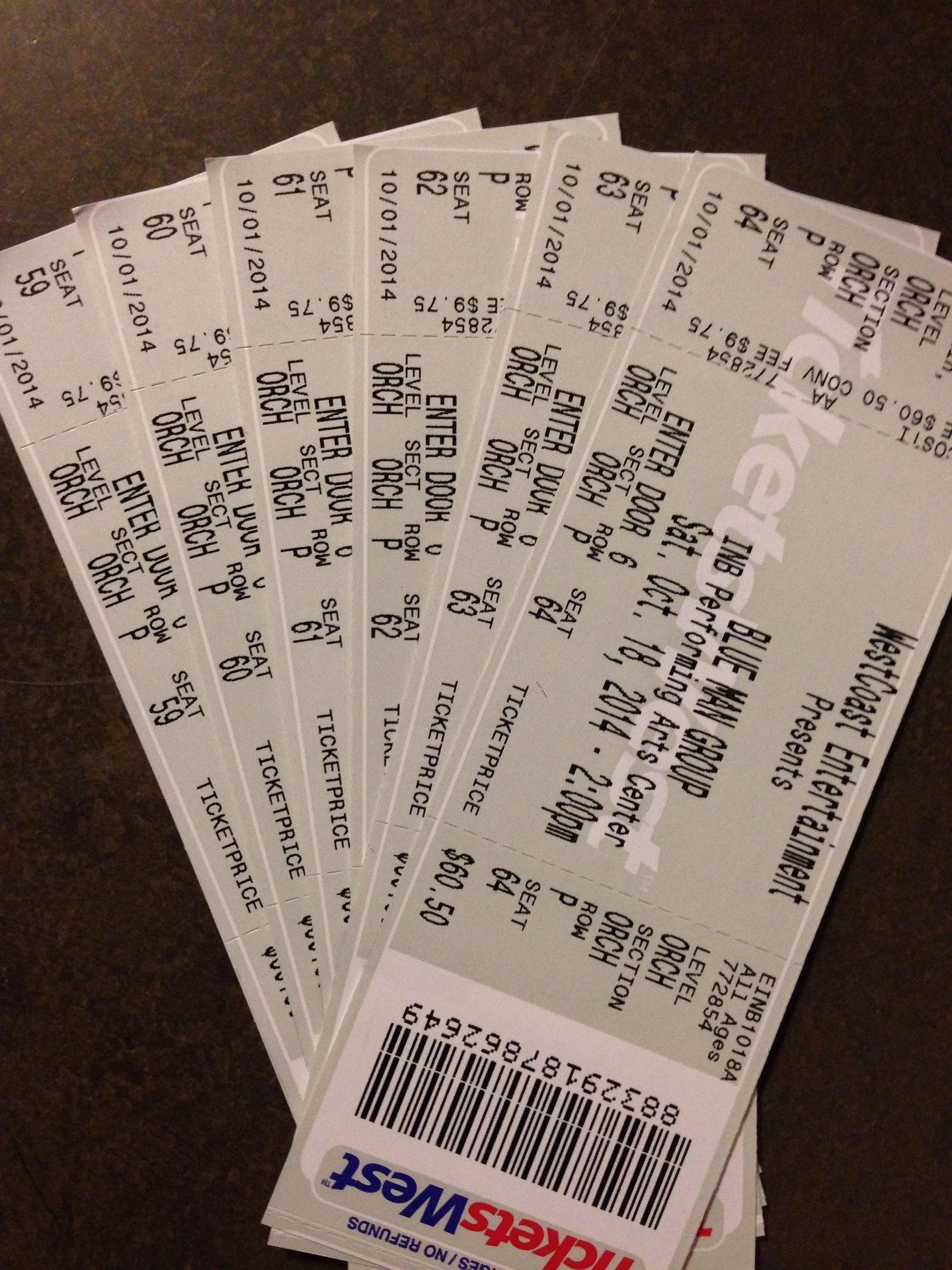
Free Sports & Entertainment Tickets
Need free tickets to a theme park, sporting event, or a sold-out concert? No problem if you’re a lawmaker. You might even score a seat in a luxury box. Why wait in line for garlic fries and $20 beers when there’s a free gourmet buffet, fine wines, and legions of lobbyists looking for some face time with you.
Future Job Offerings and the Revolving Door
Lawmakers rarely have difficulty finding work after leaving office. The lobbyist market for former lawmakers is always robust, and there are plenty of takers. This 2019 article explains that, outside of other jobs in government, lobbying or related professions were the most prevalent jobs for former members of the 115th Congress, which ended in January of that year.
The political Revolving Door refers to the lamentable practice of lawmakers and lobbyists exchanging jobs. Remember, the political revolving door swings both ways, either when former lawmakers become lobbyists, or when former lobbyists take government jobs, often regulating their former employers or industries.
Lawmakers Exempt from Laws They Pass
As this ProPublica article details, Congress often exempts its Members from the laws they pass, even as those laws impact the private sector (and even the Executive branch). This practice is another way that Members distance themselves from their constituents, which in turn increases public cynicism about government.
Insider Trading on Knowledge from Legislative Briefings
This odious practice continues despite efforts to ban it. Minuscule penalties and loose enforcement of current ethics laws render these prohibitions toothless and severely limits their deterrent value.
An article from The Hill tells of stock trades made by Members of Congress after they received early briefings on the anticipated severe impacts from the COVID-19 pandemic. This particularly galling behavior is just an example of a broader practice, as detailed in this Common Dreams article.
These are all vivid demonstrations of how lawmakers set themselves apart and don’t play by the same rules that we do.
Free Travel/Conferences
Many lawmakers are very frequent flyers and rarely sit in the sardine section. There’s always a conference being held someplace where the sun is shining, and luxury accommodations await, with all expenses paid for by taxpayers or special-interest groups. This Reuters article describes a few of these luxury freebies.
Employing Family Members
The avarice of those seeking to influence lawmakers doesn’t stop with lawmakers themselves. As this NBC News article points out, relatives can also be beneficiaries. Lawmakers insist their actions aren’t impacted by such arrangements. Of course not! Who would think otherwise?
Earmarks
These are appropriations set aside for individual Member’s pet projects. Many genuinely benefit residents or organizations in their districts. They’re also ripe for abuse when crafted to benefit a specific contributor, associate, or the lawmaker themselves. For example, a Member might champion government funding of a freeway off-ramp near property that they, relative, or another lawmaker may own.
Behested Campaign Contributions
This one’s a real lulu, even in the anything-goes-world of political fundraising. It allows lawmakers and groups with business before them to get around pesky campaign contribution limits by having Members direct—or behest—contributions to specific individuals or organizations.
To be fair, some such arrangements can benefit worthy causes. They also sometimes benefit family members and others close to elected officials. Again, they’re not technically illegal, but this practice looks bad, is ripe for abuse, and contributes to the widespread perception of government corruption.
Answer to the Did You Know…? Question
The answer is B) No.
Acts of soft corruption, while unethical, are by definition legal. Under Article I, Section 5, Clause 2 of the Constitution, the Senate and the House of Representatives can remove one of their members by a formal vote agreed to by a two-thirds majority of the members present. But while the Constitution does not specify grounds for expulsion, allowing each chamber broad authority, expulsion has historically been employed only in cases of perceived disloyalty to the United States or conviction of serious criminal offenses involving abuse of an official position.