
Revealing Open Secrets
“Absolute power does not corrupt absolutely, absolute power attracts the corruptible.”
―Frank Herbert
Follow the Money
In the 1976 film All the President’s Men, when reporters Bob Woodward and Carl Bernstein investigate corruption at the highest levels of power in the American government, they are advised by a source to, “Follow the money.” The implication is that understanding the source and distribution of cash in politics is the best way to uncover corruption.
When it comes to everyday citizens following the money in politics, and to discovering who gives and who gets it, there’s a very useful and easy-to-use website with that information: OpenSecrets.org. The organization was formed in 2021 through the merger of the Center for Responsive Politics and the National Institute on Money in Politics. A nonprofit organization, OpenSecrets does the laborious work of organizing and categorizing political contributions and the lobbying data filed with the Federal Election Commission and their State counterparts.
Many news reporters and academics use the data on OpenSecrets. It’s a great place for voters to quickly learn the identities of the biggest financial contributors to candidates and State ballot measures. Unfortunately, as a teacher and pollster, I’ve learned that few voters are aware of this site and the informative data it offers.
You don’t need to be a political nerd to quickly find useful information there. How easy is it to use?
Go to OpenSecrets.org.
Enter the name of the candidate or ballot measure in the search box.
Hit the Enter key.
Among other things, you’ll quickly see what groups or industries are their biggest contributors, and whether the candidate or measure receives more money from larger contributor or smaller ones. You can also go much deeper for further insights.
OpenSecrets conveniently has a Learning Center, which is a tremendous resource for people new to exploring the world of money in politics. And here’s a useful glossary of terms on the subject. Following the political money trail, for both Federal and State elections, is now easier than ever.
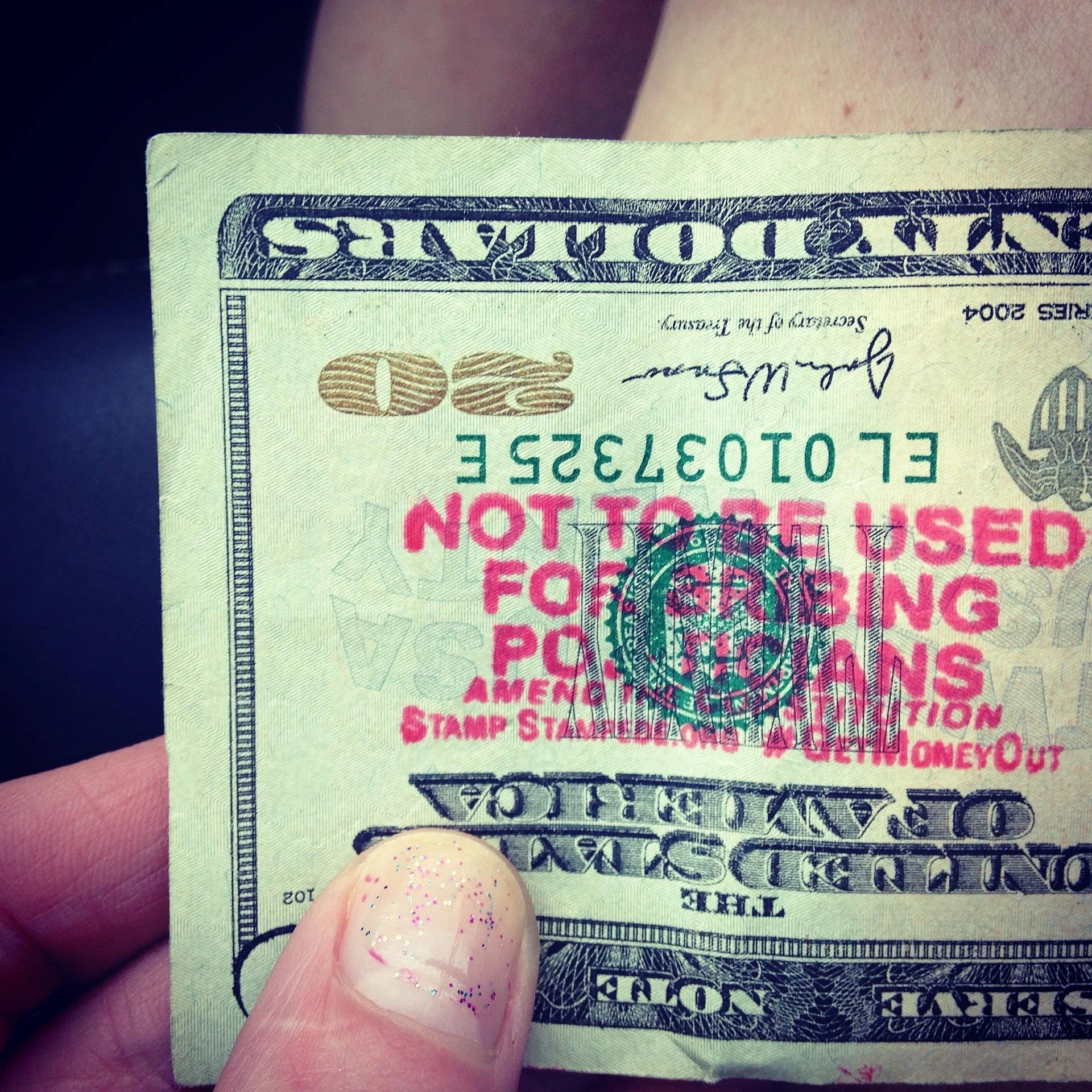
Show Me All the Money
Unfortunately, seeing contributions or expenditures for local elections (such as City Council or County Board of Supervisors races) can be more challenging. The ability to do so depends largely on how easy or difficult election officials in each local office make it. Contact your city or county’s Registrar of Voters or County Clerk’s office for more information on the availability of such data in your area.
Many politicians aren’t interested in the public learning the identities of their biggest contributors. There are numerous ways such data can be hidden or obscured. For example, contributions can be listed individually and not totaled. They can also be made viewable only at government offices, posted in a less-than-timely manner, or not reported in an electronic format. All of these ways and more can be used to shield such data from public view.
The U.S. Senate was notorious for allowing paper contribution reports, but not requiring their data be made available online for extended periods—sometimes until after the election was over. That practice only changed fairly recently, in 2018.

Summing It Up
Learning who the big contributors are to the candidates and measures you’ll be voting on isn’t very difficult. It doesn’t take much effort, but more of us have care to enough to actually do it. Once you start, it can soon become second nature, and an important part of your election calculus. Most politicians rarely vote against the interests of their largest contributors, so it can be really instructive for voters to know this information. By casting their ballots accordingly, voters can help reduce the influence special interests on lawmakers.
If you don't know who your U.S. House Representative or Senators are, you can look them up by entering your zip code or address in the search box on the U.S. House of Representatives or U.S. Senate websites. Another easy way to learn who your Federal, State, and local representatives are is to enter your address on the USA.gov website.
There is a tremendous amount of valuable data on OpenSecrets.org, so I suggest clicking around the site just to see what’s available. If we want to reduce the influence special interests have on lawmakers, we need to stop electing candidates so dependent on them financially, which means we need to pay more attention to the flow of money in politics. In other posts, we'll examine this subject in other ways.
A quotation from Founding Father Benjamin Franklin, while not exclusive or specific to money in politics, nevertheless has traction in this discussion:
“An investment in knowledge pays the best interest.”
Did You Know…?
Which one of the following is not available on the website OpenSecrets.org?
A) The identities of the biggest financial contributors to candidates for Federal office
B) The identities of the biggest financial contributors to candidates for State office
C) The names of elected officials who paid hush money to keep their indiscretions private
D) The sources of income outside the government made by elected U.S. officials
Answer to the Did You Know…? Question
The answer is C) The names of elected officials who paid hush money to keep their indiscretions private.
You’ll have to check the tabloids for this sort of information, but all the other items are covered on OpenSecrets.org.