Is Government Us or Them?
“When government fears the people, there is liberty.
When the people fear the government, there is tyranny.”
— Unknown
Funny You Should Ask…
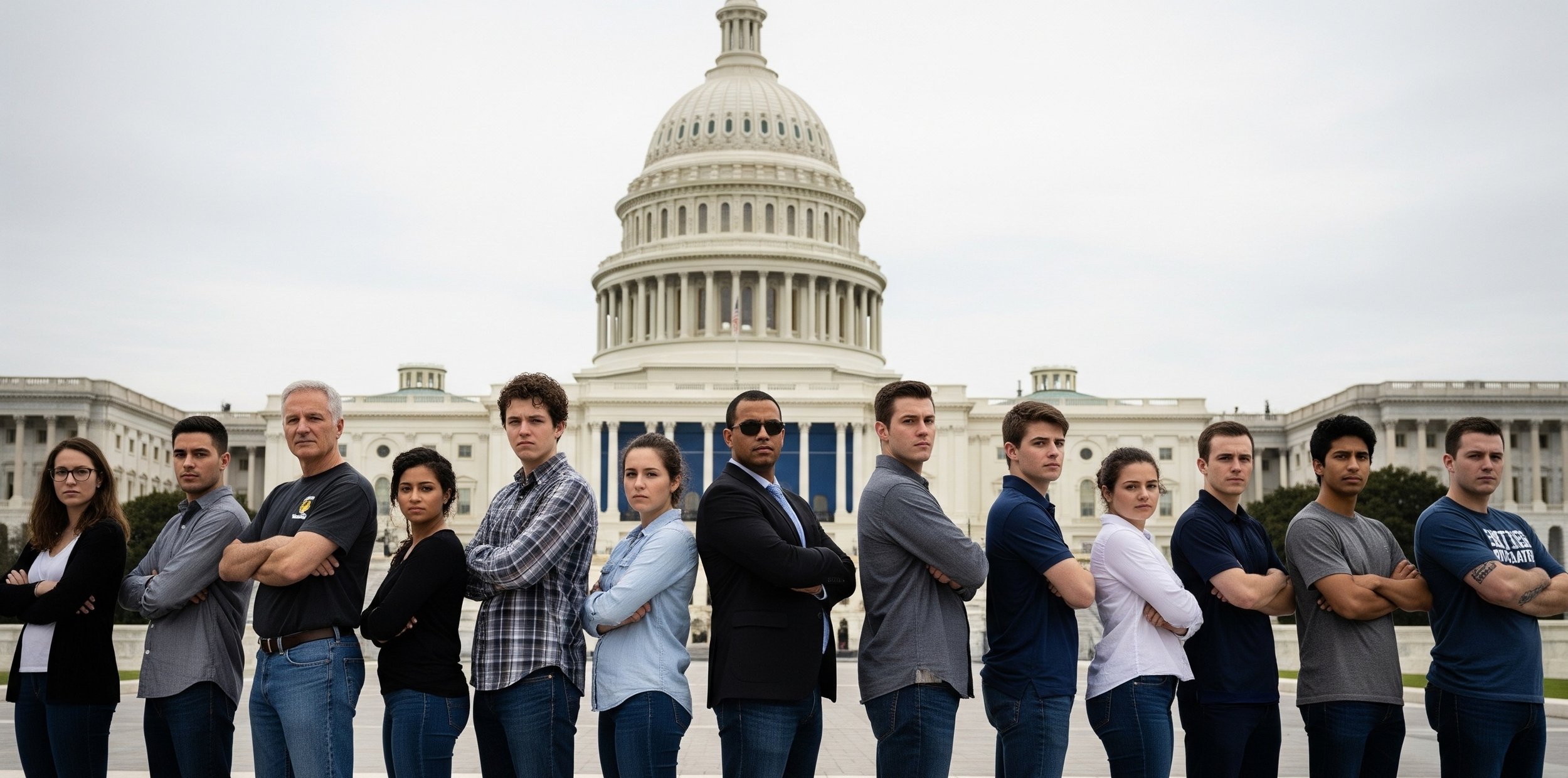
When I informally ask the title question of people—”Is government us or them?”—more often than not, they answer, “Them.” This widespread sentiment makes repairing our dysfunctional Federal government all the more challenging. Indeed, many today see our government as something far removed from themselves, rather than something of which they can be a part, or even in which they can have a say.
It hasn’t always been this way. Since 1952, an unbroken series of national election studies have been done, first by the Survey Research Center and the Center for Political Studies of the Institute for Social Research at the University of Michigan, and starting in 1977, by the nonprofit American National Election Studies. According to this informative analysis by the Pew Center, when the study began asking about trust in the Federal government in 1958, about three-quarters of respondents said that they trusted the government to do the right thing always or most of the time.
Since 2008, though, that opinion has been expressed by no higher than a quarter of respondents. When fewer than 25% of Americans have significant confidence in the highest level of our government, the country is not in a good place.
Why People Don’t Like or Trust Government
More often than for a single reason, public opinion usually evolves from a mosaic of different perspectives. Some dislike or distrust government because they feel it tries to do too much, others because they feel it doesn’t do enough. This Gallup poll reveals that large majorities view most Members of Congress as “out of touch with average Americans,” and more “focused on the needs of special interests” rather than on the needs of constituents. A smaller majority view them as corrupt. The poll also shows that many people tend to have more favorable views of their own Member of Congress than of the entire Congress. That’s interesting, considering that nearly two-thirds of Americans cannot name their own elected Member in U.S. House of Representatives.
People See the Bigger Picture
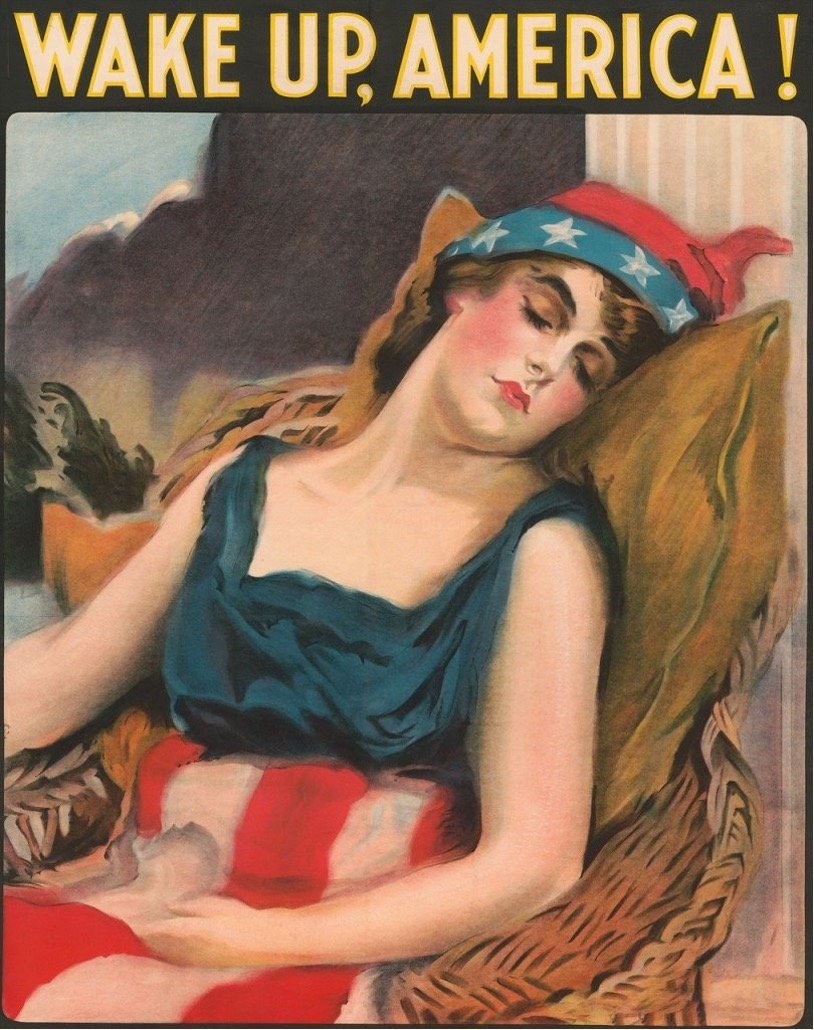
Even without knowing all the details, many people sense how well politicians provide for and protect special interests and the wealthy. More than that, average Americans often resent how their own problems are regularly ignored. In a very real sense, special-interest groups have become a nonelected branch of government, who not only have effective veto power over proposed Laws, but who often write the Bills that Congress passes. Much self-serving legislation originates on the computers of special interests before it is then sent to their political lackeys for action.
Of course, Federal legislators cast the actual votes on proposed Laws. In the States and Localities that have direct democracy, citizens can collect enough signatures to get a measure onto the ballot. If approved by voters, State and Local lawmakers must adhere to its provisions. But in many cases, owing to generous campaign contributions and other goodies they receive, many of our elected officials act like special-interest marionettes, rather than as elected representatives of the people.
The Center for Public Integrity published this outstanding article about such practices. If the Founding Fathers knew about what’s going on today, they might want to stage another rebellion. When they risked their lives during the American Revolution, the last thing they wanted was government of, by, and for special interests.
Did You Know…?
America’s form of government has been characterized as being “of the people, by the people, and for the people.” Where did this phrase first appear?
A) Declaration of Independence
B) U.S. Constitution
C) Gettysburg Address
D) Bill of Rights
You can find the correct answer at the bottom of this page.
Congressional Indifference
The continual failures of Congress to act on proposed Laws with broad popular support speak volumes about their disdain for the public they’re supposed to represent. For example, sizable majorities of Americans support strong measures to address climate change, yet Congress has done virtually nothing to deal with this challenge, let alone its potentially catastrophic consequences—some of which we are already experiencing. The disconnect between public opinion and legislative action has become routine. Many lawmakers regularly carry water for large contributors while ignoring serious problems, regardless of the costs or damage to their constituents, our nation, and the planet.
Setting Themselves Apart from Those They Represent
It is often interesting to see what events do or don’t move public opinion. In the late 1980s and early 1990s, lax banking regulations led to the failure of over 1,600 banks and savings-and-loans institutions. The subsequent bailout by the Federal government cost taxpayers about $160 billion dollars.
Yet lawmakers faced fewer consequences from that debacle than they did from another banking scandal that cost taxpayers much less, but that struck a nerve. The second scandal involved a private bank serving Members of the U.S. House of Representatives.
As this article from The Hill explains, the bank lacked computers and instead used handwritten ledgers. Its well-tended customers loved it, since they weren’t charged overdraft fees, even though such practices often occurred habitually. The bank also floated Members interest-free loans for up to eight months. This Seattle Times piece describes how the bank operated.
Many voters did not take kindly to this Congressional benefit—a benefit not permitted to the general public. In the election after the scandal unfolded, voters unseated an unusually large number (77) of incumbent Members. While difficult to asses precisely how much this scandal contributed to the demise of those ousted from office, it’s hard to see much of an upside for those involved.
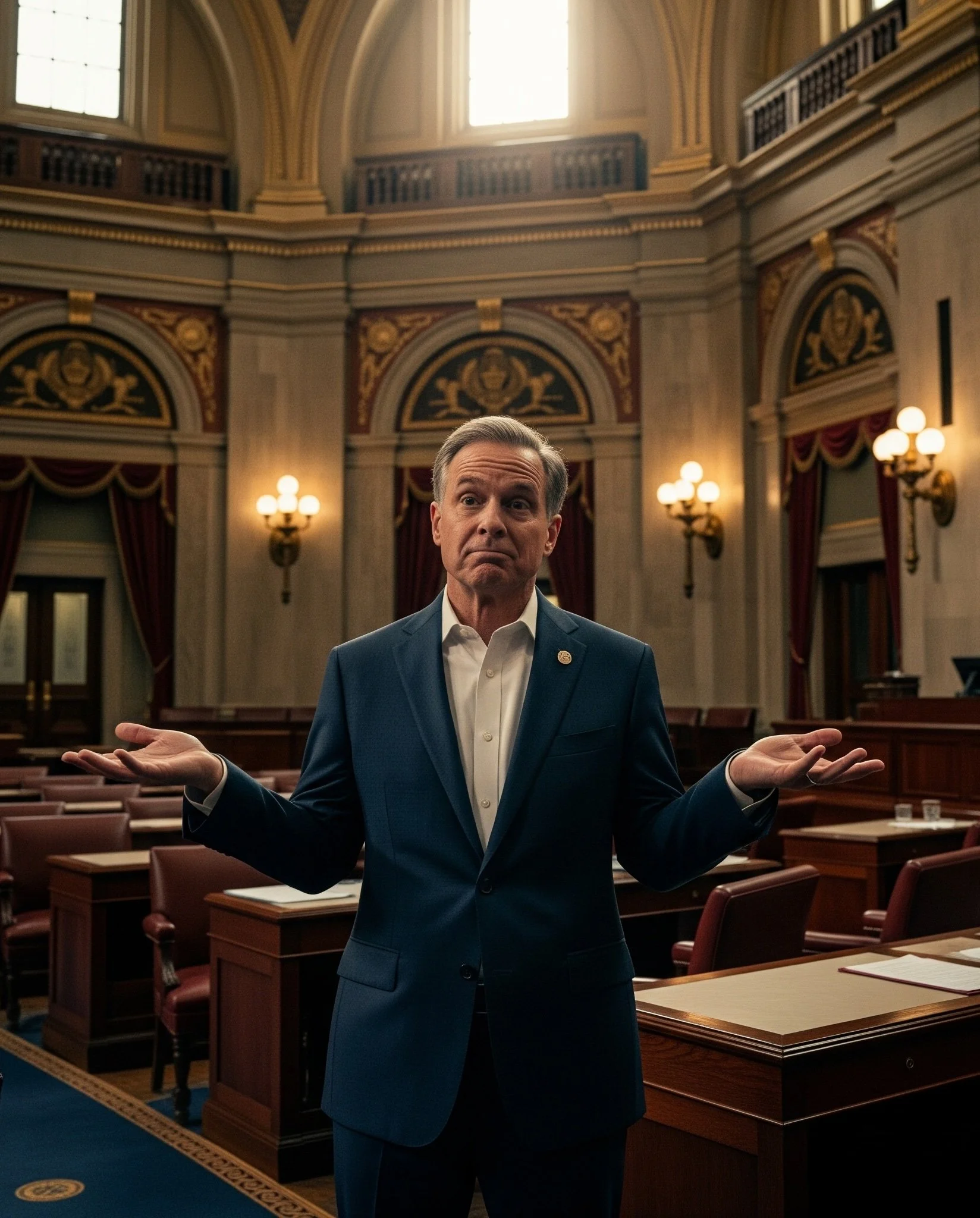
The broader point is that Congress routinely exempts itself from the Laws it passes—Laws which the public must abide by. Examples of lawmakers self-dealing include being permitted to trade stocks after receiving confidential briefings, accepting free luxury travel from donors, getting complimentary tickets to major sporting and entertainment events, and much more. For a more detailed discussion of these practices, please see the GWR topic, Soft Corruption.
If We Want Meaningful Political Change, It Has to Come from Us
More than 75 million Americans live in a community governed by a Homeowners Association (HOA). This represents more than 30% of the population. Many of these residents can attest to unnecessary expenses or ill-advised spending that sometimes come with managing shared assets and expenses. When HOAs pay for things that don’t seem to make much sense, people may grumble a bit, then forget about it (if they even noticed at all). But when a Homeowners Association makes a large expenditure financed by sizable assessments or large increases in regular dues, many residents start following the actions of their HOA more closely. Some might even run for a seat on the HOA board.
Think of government as a supersized Homeowners Association. It is easy to ignore when it is plodding along largely on autopilot, but that’s not what’s happening now. The stakes these days are incredibly high, given the magnitude of the problems we face, along with the real-world costs of not responding to them.
Politicians have long relied on voter apathy to ignore their actions. But recent higher voter turnout, especially among younger people, combined with controversial actions that clearly run counter to the public interest, may have longer-term electoral implications. Younger generations, for example, are increasingly attuned to problems like climate change, since they are the ones more likely to suffer its future consequences.
Summing It Up
If we want government to be more responsive to the needs of its citizens, then the answer to the question in the title of this topic has to be us, not them.
In a memorable scene from the classic film Network, a crazed TV newscaster talks about all the problems facing the nation, then urges viewers to open their windows and shout, “I’m as mad as hell, and I’m not going to take this anymore." The bad news is that shouting into the night is unlikely to spur significant changes in politics or government. But the good news is that greater public engagement with the political process can make a significant difference.
Our elected Representatives are supposed to live up to that label, but too often, they don’t. And no mythical political figure is suddenly going to materialize and solve all of our country’s problems. For government to work better, voters must pay greater attention to the actions their Representatives take. Voters must ensure that the candidates they elect to public office actually do represent their interests, regardless of party. And in other ways too, voters must engage more in the political process. It’s the only way we'll get on a course for a better political future.
Answer to the Did You Know…? Question
The answer is C) Gettysburgh Address.
On November 19, 1863, President Abraham Lincoln delivered a short speech at the dedication ceremony for the Soldiers’ National Cemetery in Gettysburg, Pennsylvania. Earlier that year, during the first three days of July, more than 165,000 combined Union and Confederate forces fought in what would become the pivotal battle of the American Civil War. The two sides together suffered more than 51,000 casualties, including more than 7,000 dead.
Although brief, clocking in at fewer than 300 words, Lincoln’s speech is memorable and its words have endured. The final line of the Gettysburg Address reads:
“It is rather for us to be here dedicated to the great task remaining before us—that from these honored dead we take increased devotion to that cause for which they gave the last full measure of devotion—that we here highly resolve that these dead shall not have died in vain—that this nation, under God, shall have a new birth of freedom—and that government of the people, by the people, for the people, shall not perish from the earth.”