
Three Strikes and You’re Out—
Or Are You?
“Never let the fear of striking out keep you from playing the game.”
— Babe Ruth
Strike Four? Strike Five?
The practice of calling batters out after their third strike, so artfully practiced by baseball umpires, has little purchase in politics and government. Ineffective and even corrupt officeholders are often given additional chances by voters, largely because so many of us cast our ballots strictly along party lines.
But even once such lawmakers are turned out of office, many are then appointed to key government positions, allowing them to continue to influence political debate and impact governmental action (or inaction). Still others voted out find greener pastures as high-paid lobbyists for special-interest groups—the same groups whose bidding they shamelessly did while in office. Of course, the political revolving door rotates both ways: many former lobbyists simply ply their trade by moving into government, either by being elected or getting appointed. The end result of this game of political musical chairs is a government that does an impressive job of taking care of lawmakers and special interests, while doing little or nothing for the people it is supposed to represent.
One real-world indication of this double-dealing surrounds the wealth of lawmakers. This OpenSecrets study paints a disturbing portrait of Members of Congress leaving office far wealthier than when they were elected. All of this is accomplished on the backs of the ever-increasing number of Americans for whom survival, even at minimal levels, is a daily challenge.
Our Federal government has been terribly compromised by this and other bad behavior. Let’s examine all three branches of government and how they are currently failing the American people so miserably. Our batting order will follow that of the Constitution’s first three Articles, which establish the different parts of our government and describe their powers and responsibilities.
Legislative Branch
Singling out the greatest deficiency of the way Congress works is not an easy task. Let’s just begin with their continual failure to act on any of the serious problems confronting our nation and many of its people. Pick a problem, any problem, and Congress has ignored it.
The common theme here is that the interests of large contributors, of their respective party, and of their own political and financial desires, all take priority over the needs of the public. A great example of their shameless self-serving is the repeated failure of Congress to ban their own trading of individual stocks, often done immediately after they receive inside information in confidential, nonpublic hearings.
To see just how half-hearted their reform efforts are, do an Internet search for, “Congress trading individual stocks.” What you’ll find are a bevy of Bills introduced to curb this odious practice, but with none of them passing and becoming Law. This reflects the overall approach of Congress to almost every issue, with noble-sounding Bills given lip service, but nothing more.
Another significant problem is how little time Congress actually spends on conducting the peoples’s business—especially when contrasted with how much time they spend fundraising. Both chambers routinely meet on fewer than half the days of the year, as this chart indicates. During most weeks that it does convene, Congress meets for just three or four days, with the first day of their workweek beginning late and the last day ending early. Senators and Members of the House will point out that they have busy schedules, and that they are often away from their families and far from home. What they won’t admit is that their itineraries are frequently filled out for fundraising purposes—a reality this article explains well. They also knew they would be working in Washington, D.C. before they ran for office, and so they could have made other arrangements to spend time with their families.
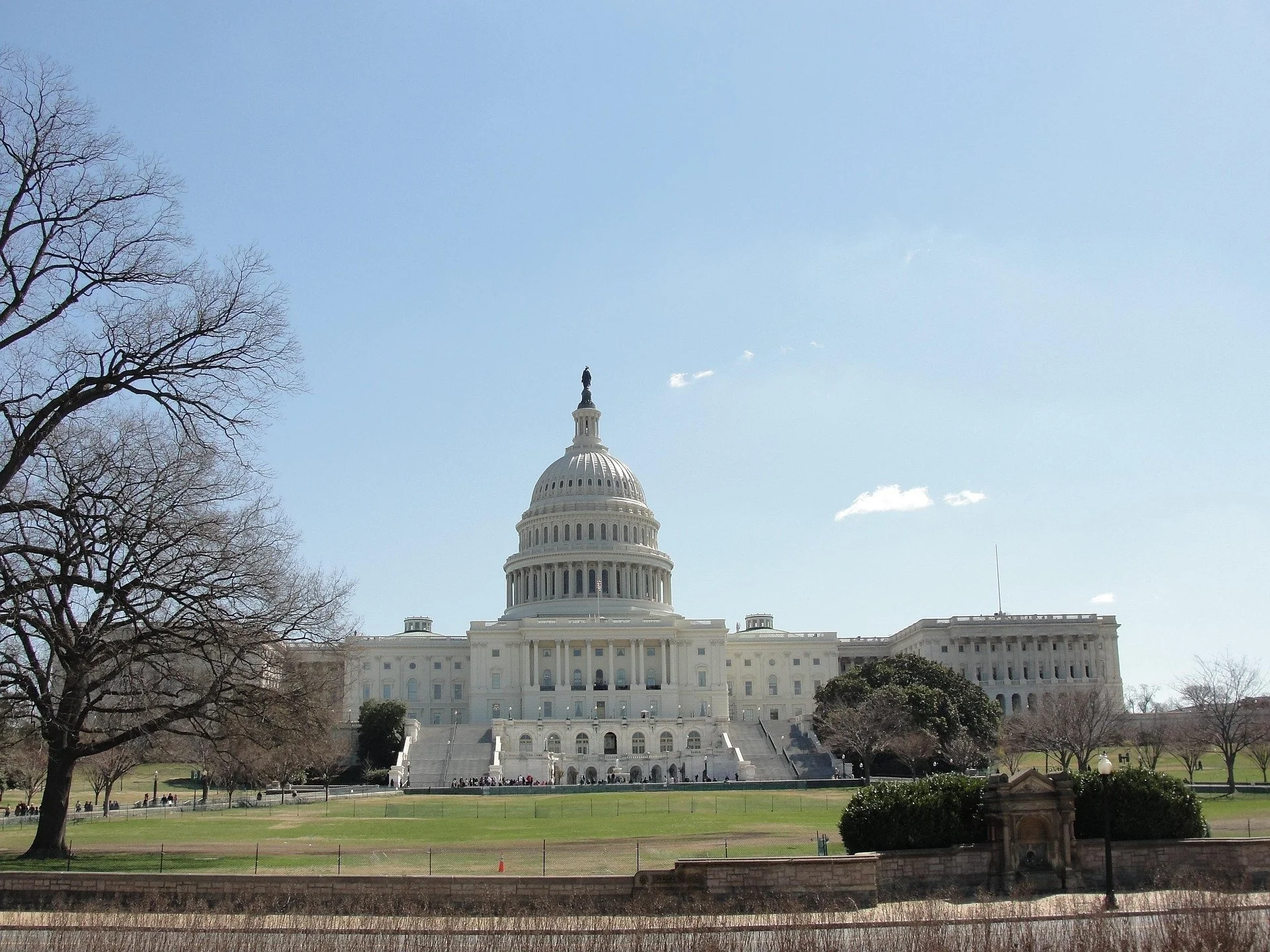
Yet another serious impediment to Congress accomplishing anything meaningful for the American people is their drive to achieve or maintain majority power. This obsession gets in the way of making the compromises necessary for legislation to actually be enacted. And with faint scrutiny from voters, lawmakers are free to service other constituencies, with few, if any, career consequences.
Additionally, the failure of Congress to defend their constitutionally mandated powers from encroachment by the Executive branch disrupts the checks and balances so carefully laid out by the Framers. Their willingness to cede power to the President can be seen on full display with respect to military matters. The Constitution provides that only Congress can declare war. Despite being involved in numerous military conflicts since World War II, Congress has failed to exercise this duty for any of them. For some, they passed authorizations for the use of military force (AUMFs), but these lack the far-reaching impacts of their War Powers. There are important differences between an AUMF and a Declaration of War.
Executive Branch
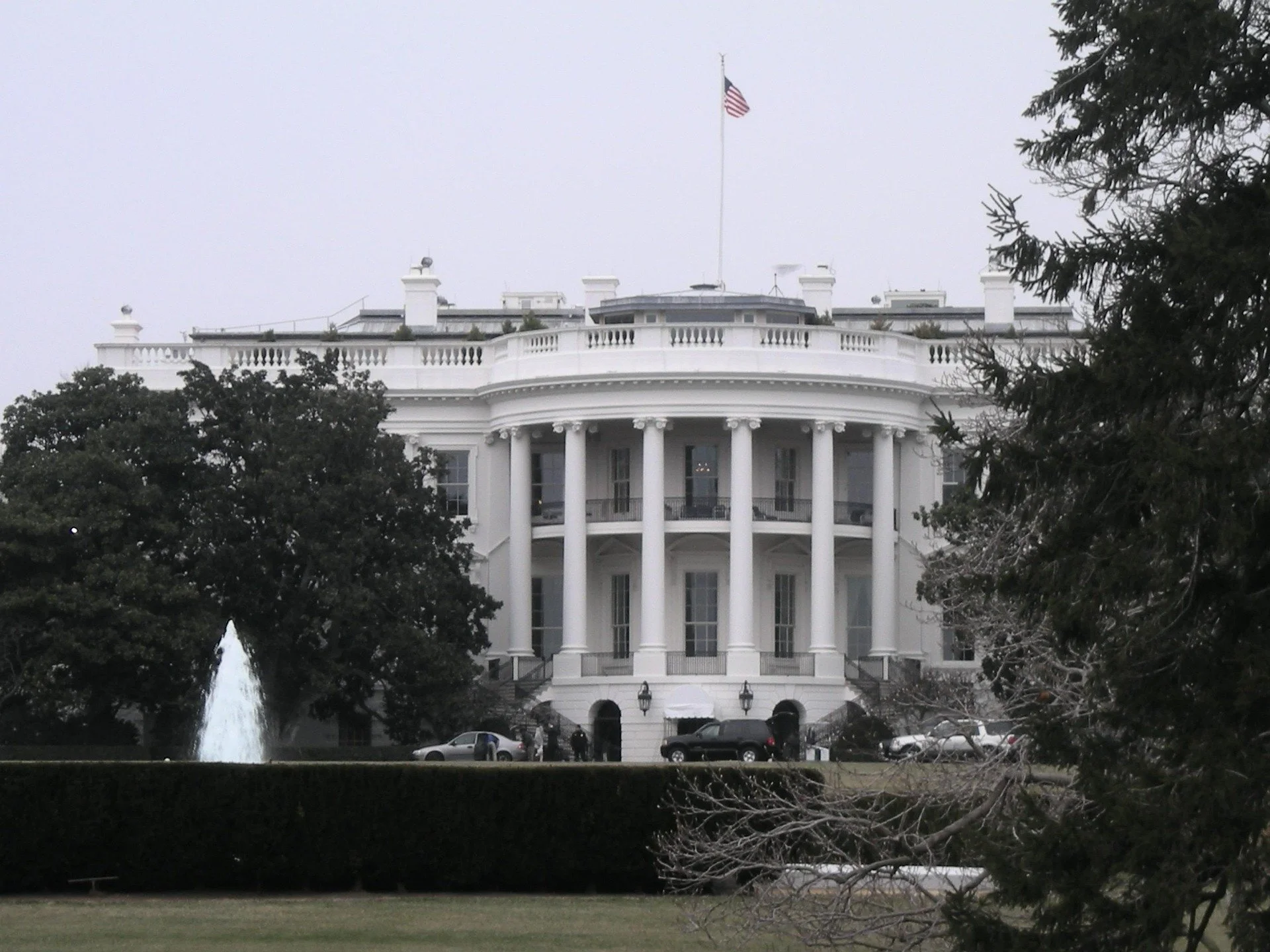
When it comes to political power, what Congress giveth, the Executive branch gladly taketh away. Many Presidents have encroached on Congressional responsibilities besides the capacity to declare war. They do this through Presidential Executive Orders, which are supposed to provide guidance to administration officials by articulating policies and establishing priorities, but instead end up effectively eclipsing Laws.
Also, the power of the purse in determining the Federal budget, Constitutionally mandated to Congress, has shifted toward the President. In the past 50 years, Congress has passed, on time, all the necessary appropriations bills to fund the different parts of the government only four times.
Instead, we’ve been fed a steady diet of continuing resolutions to fund the entire government, passed under threats of government shutdowns, or after actual shutdowns. Given the severe consequences of such shutdowns, this approach to governing, from a practical standpoint, grants Presidents more power, as they can readily demand their personal budgetary priorities by promising to otherwise veto such omnibus resolutions.
The term “Do Nothing Congress” has been around a long time. In recent years, it’s as close to a sure thing as there is in politics and government. Consequently, the need for Presidents to work more closely with Congress to do the nation’s business has rarely been stronger.
Did You Know…?
Keeping in mind the public’s poor opinion of Congress, at what rate are incumbent lawmakers reelected?
A) 10%
B) 25%
C) 50%
D) More than 90%
You can find the correct answer at the bottom of this page.
Judicial Branch
The workings of the Judicial branch, though more shielded from public view, are nonetheless as important as those of the other two branches of government. Since all Federal Judges and Justices are appointed to lifetime terms, the impacts of their rulings can last far longer, and reach much further, than actions taken by Congress or the President.
Rather than parse the relative wisdom of the current Supreme Court’s jurisprudence, let’s view their tenure another way. By explicitly excluding themselves from the code of ethics that applies to every other Federal Judge in the country, the Supreme Court has damaged its public reputation. This is especially concerning given the widespread reporting of undisclosed, often expensive gifts, as well as free luxury travel, accepted by some Justices. This practice of receiving such largesse, especially from those with business directly or indirectly before the Court, contrasts sharply with the Supreme Court’s history of avoiding not only actual conflicts of interest, but even the appearance of them.
Other practices enjoyed by many Justices in recent Supreme Courts should also be reconsidered. Chief among them are the writing and publishing of books by Justices while they are still on the Court. In addition to the potential for ethical breaches, it also means that Justices utilize Court employees to help conduct research for their books—at taxpayer expense.
With public opinion of the Supreme Court near historic lows, the nation would be well served if the Justices would adopt an ethical standard that would see them drop activities and practices that could endanger—or even appear to endanger—their objectivity.

Summing It Up
There are many reasons so many Americans have such little faith in our government to do the right things for the country. While there is plenty of blame to go around for the dysfunctional state of our government today, they collectively contribute to the political disengagement of so many Americans. As citizens, we need to resist the temptation of tuning out the political chaos, and instead step up to the plate if we want to get to a better place for our constitutional republic. We can’t let the politicians who continually fail us to keep doing so. Despite the culpability of each of the three branches of government and both major political parties for the current situation, a more informed and engaged electorate is our best chance to pull ourselves out of this political thicket.
Answer to the Did You Know…? Question
The answer is D) More than 90%.
Despite the American people’s dismal view of Congress in recent years, Members in the House of Representatives continue to be reelected at rates of 90%-95%, while Senators get reelected at slightly lower—but still very high—rates, which you can see in this OpenSecrets chart.