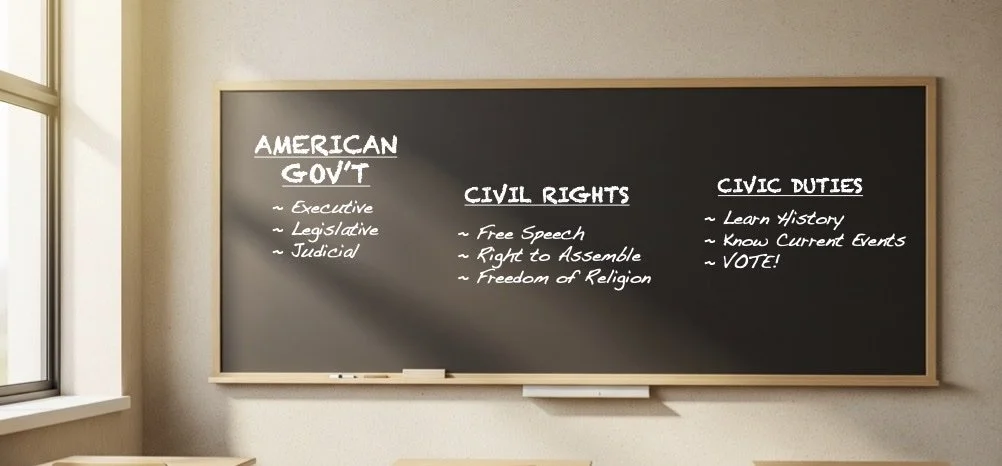
Civics Education Should Begin Earlier
“A primary object should be the education of our youth in the science of government.
In a republic, what species of knowledge can be equally important?
And what duty more pressing than communicating it to those
who are to be the future guardians of the liberties of the country?”
― George Washington
The Lost Voice of Youth
As both a pubic-opinion pollster and a political-science professor, I’m frequently asked why many younger people often don't vote. We do need to acknowledge that in some recent elections, younger people have gone to their polling places in greater numbers. In the 2020 General Election, the youth vote turnout increased by about 50% when compared to the numbers in 2016.
But it is also true that there is a long history of younger voters turning out in low numbers. In a way, this isn’t surprising, since, as with many other actions, it takes a while for something to become a new habit.
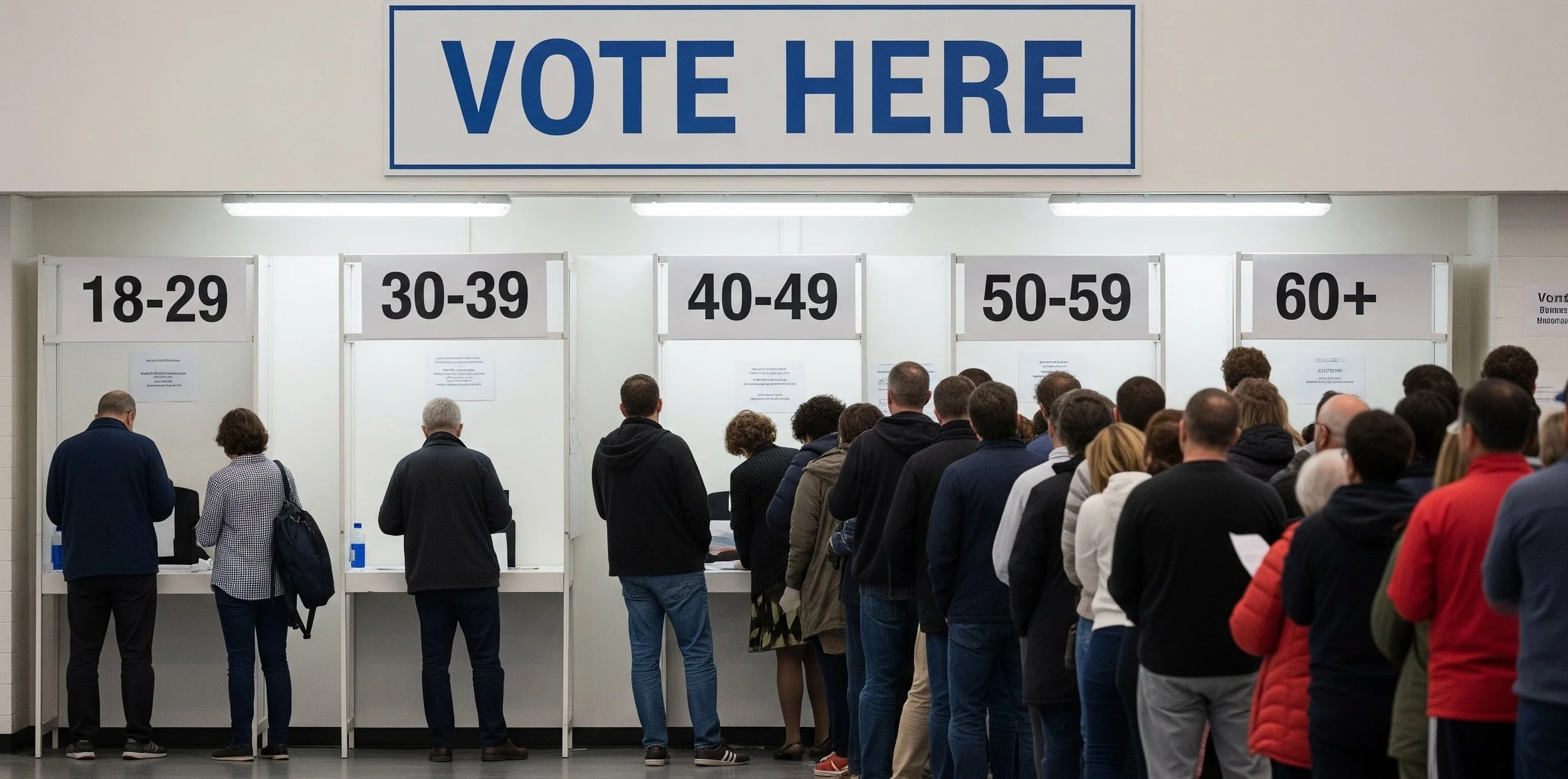
We need to do a better job of teaching everyone how they can get can more involved in public decision-making, by voting and through other means of civic engagement and participation. That’s one of the main reasons I created GeorgeWasRight.
Teaching Students How to Get More Involved in Public Decision-Making
I've asked many college students what could be done to get them started earlier when it comes to voting and becoming more engaged in other ways with our democracy. Below are some of their responses, along with some of my own ideas, that may be worth considering.
Begin Education on Politics and Government Earlier: Many students say that learning about voting and how to otherwise take part in our democracy should begin even before high school, and with greater emphasis on its importance. Though not able to cast their ballots yet, there are still useful things they could be taught that would be helpful once they reach voting age.
Teach the Mechanics of Registering and Voting: These should be essential elements of introductory U.S. government courses, or even offered as a standalone seminar. As voting machines sit idle most of the year, bringing some on campus for demonstrations or use in student elections would be a good way to familiarize them with the voting process.
Hold Voter Registration and Get Out the Vote Programs in Schools: Some schools have great programs for getting students to register and vote. Successful ones should be widely shared with other schools and groups.
Bring More Lawmakers, Government Officials, and Journalists into the Classroom: The ability to use video-conferencing tools such as Zoom to bring speakers from these fields into the classroom virtually, or even bringing them to schools in person, helps humanize them to younger people, reduces stereotypes, and can increase student interest in politics and elections.
Did You Know…?
The title of this piece is a bit misleading. It implies that civics courses are being taught in the United States later than they should be, but in reality, very few American schools offer any classes at all about our government and political system. This outstanding article from the Sandra Day O’Connor Institute for American Democracy points out the many causes of this civics-education deficit. The article link is to the findings of research into the issue, but the page contains another link to the full policy brief, which is well worth reading too.
Summing It Up
The right to vote is something for which Americans have fought long and hard, all the way back to the country's founding. Two and a half centuries after the Declaration of Independence, it remains a fundamental part of our democracy, a right we need to nurture and protect.
There are ways to teach civics to younger people, emphasizing the importance of everybody’s participation in our democracy, and we can do that without telling them who or what to vote for. Educating youth on the importance and mechanics of voting so that they can make their voices heard should be an essential educational function we should all get behind.
Civics education also needs to go beyond just voting. There are other ways for younger people—or anyone else—to get more involved in public decision-making. Young people should receive a thorough education about these as well.
With the increasing shift toward online education, there is no reason why more emphasis and concentration on voter engagement and participation should not play a greater role in the upbringing of younger generations.
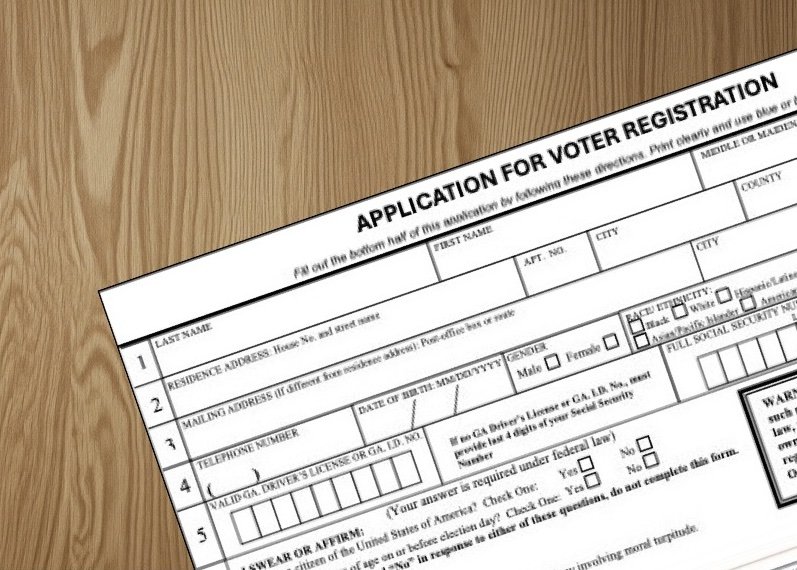
There are other reasons why younger people typically vote in smaller numbers than other groups. Many simply don’t know how to go about it. It may seem easy if you’ve been doing it a while, but if you haven’t, the process can be confusing and even a bit intimidating.
Also, the toxic political debate is a real turn-off to many younger people. They don’t want to get into fights or lose friends over political differences. Others feel that their vote doesn’t matter, or that things never change, regardless of who gets elected.
Our educational system doesn’t help much. For many high-school students, it's usually one and done for courses in the social sciences. That's also all most students usually get in college too—if that.
Are one or two social-science classes really enough to prepare students for living in an increasingly complex political world? I don't think so. Many younger people, and even some adults, lack a basic understanding of how our political system operates, which can leave them disengaged from the process.